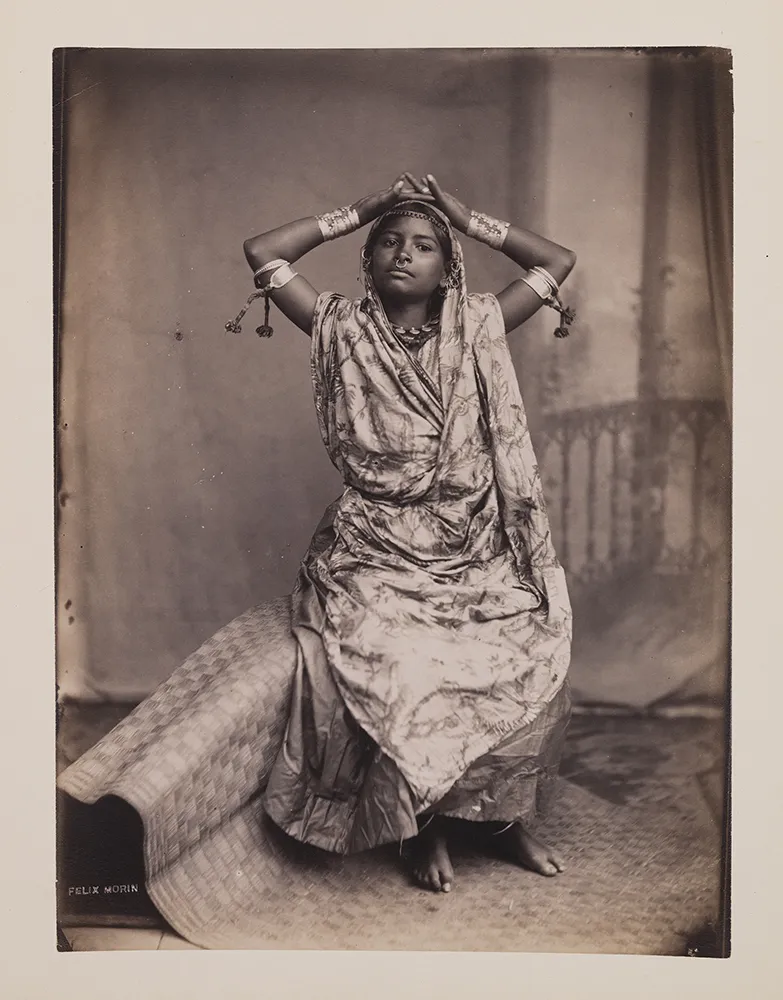
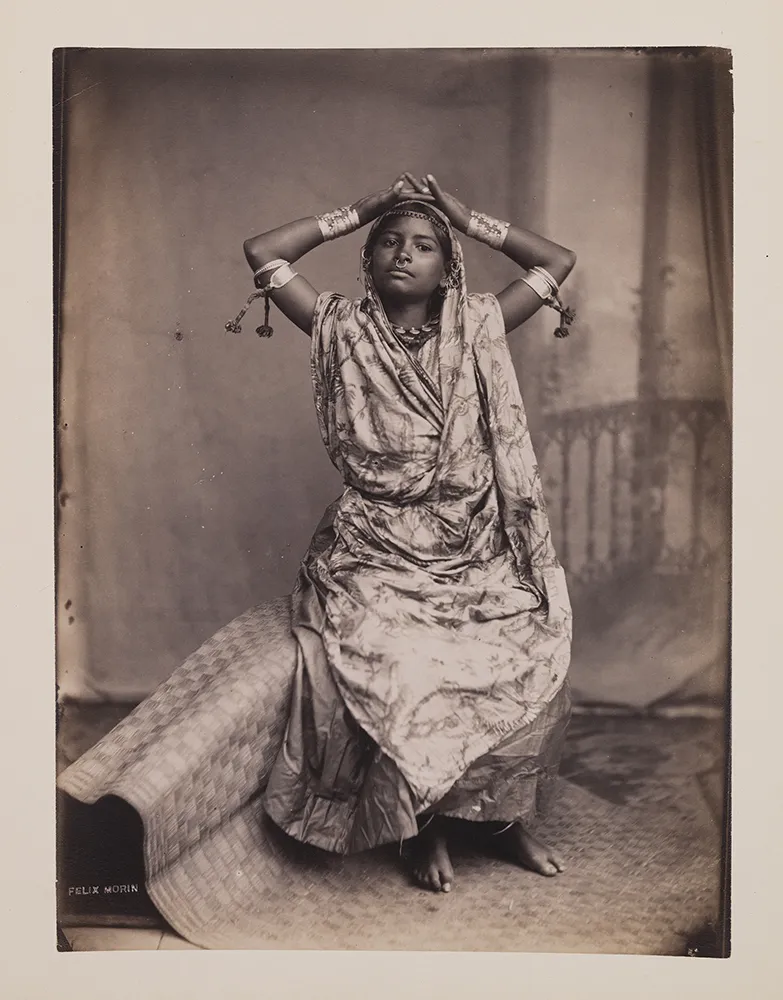
Swipe Left on Shaadi.com? How Hinge and Haldi Are Colliding in the Desi Dating World
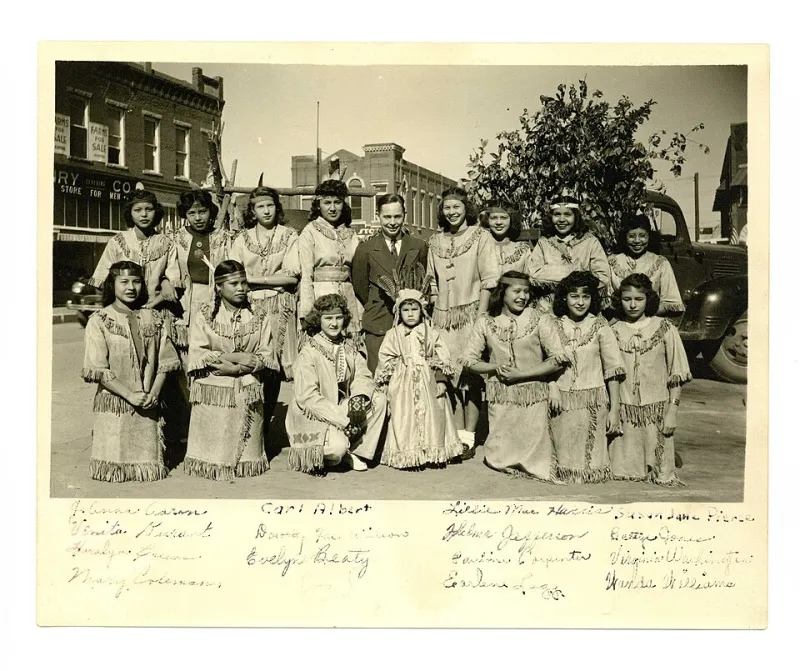
Photo: Carl Albert Research and Studies Center, Congressional Collection, CC BY-SA 4.0, via Wikimedia Commons
There's a scene that plays out in desi households across America with almost cinematic regularity. A twenty-something is curled up on their couch, scrolling through Bumble, when their mom walks in and casually drops a printed biodata on the coffee table. "Just look," she says. "No pressure."
No pressure. Sure.
For a generation raised on Kuch Kuch Hota Hai and The Bachelor, navigating love in 2024 means holding two completely different romantic scripts at the same time — and somehow trying not to tear either one.
The Algorithm and the Auntie Network
Here's the thing nobody talks about enough: arranged marriage and dating apps are, structurally speaking, not that different. Both involve filtering potential partners by age, education, height, and general vibe. Both rely on curated self-presentation. Both ask you to make a high-stakes decision based on limited information and a gut feeling.
The difference, of course, is who's doing the swiping.
When your mom calls her college roommate in New Jersey to set you up with a "very decent" software engineer, she's running her own algorithm — one built on decades of community data, caste considerations she won't say out loud, and a risk-tolerance calibrated to her own marriage, not yours. When you open Hinge and filter by "Indian or South Asian" and "at least a master's degree," you're doing something eerily similar. You're just doing it in sweatpants at midnight.
Rachel Kalra, a 27-year-old product manager in Chicago, laughed when she realized this. "I literally have the same filters on Hinge that my parents would have if they were looking for someone for me," she told Andekha. "Like, I've internalized their checklist so completely that I'm basically running my own arranged marriage. Except I also want chemistry. And they don't really care about chemistry."
That last part is where the whole thing gets complicated.
Bollywood Lied to Everyone (Lovingly)
Decades of Hindi cinema told Indian audiences — and by extension, the diaspora — that love is loud. It announces itself in rain-soaked airports and rooftop dances and misunderstandings that get resolved in the third act. The idea that love could be a quiet, spreadsheet-adjacent decision made over chai with someone's parents felt, at best, practical. At worst, a little tragic.
But Bollywood has also always had a soft spot for the arranged marriage setup. Dilwale Dulhania Le Jayenge, arguably the most influential desi romance of all time, ends not with the hero stealing the girl away from tradition — it ends with the father giving his blessing. The message was never "run from your family." It was "find a way to bring them along."
Young desi Americans grew up watching both versions of love — the rebellious kind and the family-sanctioned kind — and many are now trying to engineer a hybrid that satisfies everyone, including themselves. The result is a dating culture full of anxiety, negotiation, and some genuinely surprising moments of clarity.
The Pressure Nobody Admits To
Ask any Indian American in their mid-to-late twenties about dating and you'll notice a particular kind of exhaustion in their eyes. It's not just the fatigue of bad first dates or ghosting. It's the weight of a parallel timeline — the one where they've already met someone, gotten engaged, and started planning a wedding because that's what their cousin did at 24.
The apps don't help. Dating apps are optimized for engagement, not commitment. They're designed to keep you scrolling, keep you available, keep you wondering if someone slightly better is just one more swipe away. That's almost the exact opposite of the arranged marriage mindset, which operates on the logic that a good enough match, chosen with intention and family support, is worth committing to.
Nikhil Sharma, a therapist in the Bay Area who works with a lot of South Asian clients, sees this tension play out constantly. "My clients feel guilty for using apps because it feels like they're going behind their family's back. But they also feel resentful when they're pushed toward family-approved setups because it feels like their personal preferences don't matter. They're stuck in the middle, trying to please everyone."
And then there's the shame spiral that kicks in when neither approach is working. When you're 30 and single in a desi family, it can feel like a personal failure — even if, by every other metric, your life is going great.
Finding the Unexpected Middle Ground
What's actually interesting — and genuinely andekha, unseen — is how some young desi Americans are quietly building their own third option.
Some are using apps but being upfront with matches about their family's involvement in the process. Some are asking parents to vet people they've already met organically. Some are treating family introductions the way others treat blind dates — with low expectations and a willingness to be surprised. A few have found that the structure of a family-mediated introduction actually takes some of the pressure off: when the aunties are involved, there's less of the ambiguity that makes modern dating so exhausting.
Preeti Nair, 29, from New Jersey, ended up with her current boyfriend through what she calls a "hybrid situation." They matched on a matrimonial app her mom signed her up for without fully asking permission, but their first few conversations felt nothing like a formal biodata exchange. "We talked about our favorite Phoebe Bridgers albums and whether Zomato is better than Swiggy. It was just... normal. And then we told our families and everyone was weirdly relieved."
The apps, for all their villain energy in this story, might not be the real problem. The real tension is about autonomy — who gets to decide, and how much say does love get versus logic?
The Credits Haven't Rolled Yet
The arranged marriage plot twist, it turns out, isn't that apps are replacing tradition. It's that tradition and technology are slowly, awkwardly, learning to coexist — the way most things in the desi diaspora experience eventually do.
There's no clean resolution here. No airport scene. No third-act blessing. Just a lot of young Indian Americans trying to figure out what they actually want, in between family group chats and push notifications, writing a love story that doesn't have a precedent — in Bollywood or anywhere else.
And honestly? That might be the most interesting story of all.