From Bollywood Hopefuls to Algorithm Royalty: How Desi Creators Are Rewriting the Rules
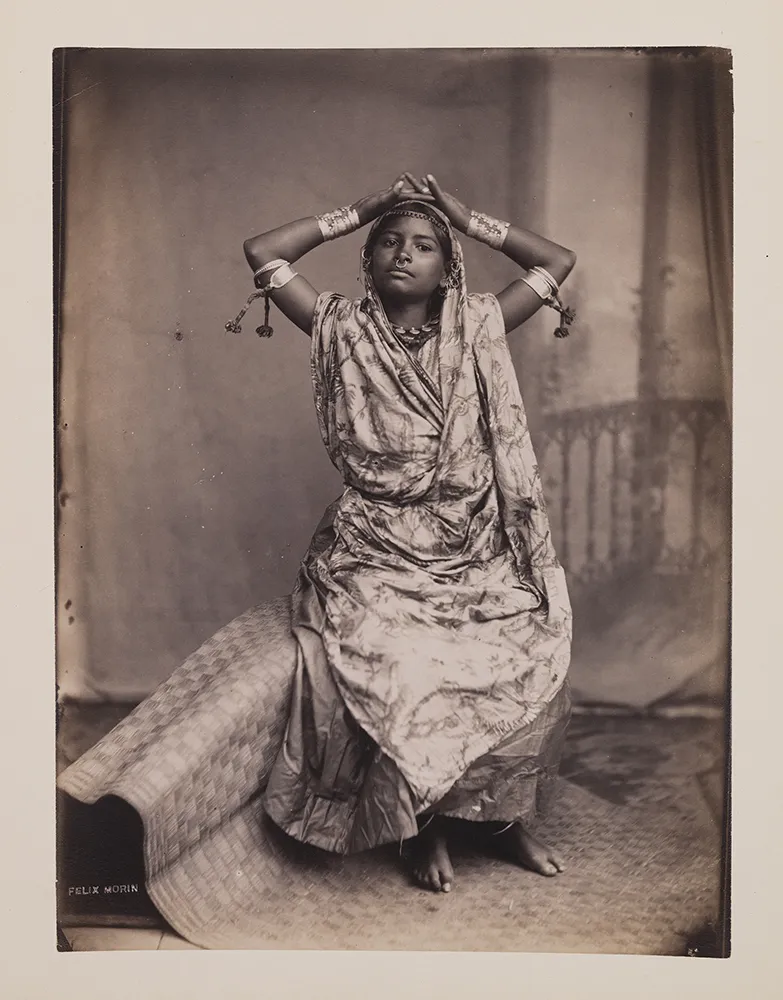
Photo: SMU Central University Libraries, No restrictions, via Wikimedia Commons
For decades, the dream looked something like this: pack your bags, fly to Mumbai, grind through auditions, survive the industry's notoriously opaque gatekeeping system, and maybe — maybe — land a role that didn't require you to play the comic relief. For Indian-Americans with a passion for storytelling, that path felt less like a runway and more like a wall.
But something shifted. Quietly at first, then all at once.
Today, a generation of desi creators isn't pitching to producers in Bandra. They're posting from bedrooms in New Jersey, coffee shops in Houston, and apartments in Fremont — and they're pulling millions of views doing it.
The Old Dream vs. The New Algorithm
Ask anyone who grew up in an Indian-American household in the '90s or early 2000s what "making it" looked like, and Bollywood was usually somewhere in the picture. Shah Rukh Khan wasn't just a movie star — he was proof that charisma and ambition could move mountains. The problem? That mountain was located squarely in Mumbai, and it didn't exactly have a welcome mat for kids from Naperville or Fremont who talked with an American accent and had grown up on a diet of both Kuch Kuch Hota Hai and The Office.
The creator economy changed the math entirely. TikTok, YouTube Shorts, and Instagram Reels don't care where you're from or who your industry connections are. They care whether people watch, share, and come back for more. And it turns out, there's a massive, underserved audience that's been waiting for content that lives in the hyphen — the Indian-American hyphen, specifically.
"I used to think I needed to 'choose' between being desi and being American," says one New York-based creator who goes by @browngirlrants and has amassed over 800,000 TikTok followers with videos about navigating desi family expectations in an American context. "The algorithm basically told me: stop choosing. That tension is the content."
What the Numbers Actually Say
It's not just anecdote. According to a 2023 report from the Pew Research Center, South Asians are one of the fastest-growing demographic groups in the US, and their media consumption habits skew heavily toward digital-first platforms. Meanwhile, data from influencer analytics firm CreatorIQ shows that South Asian creators in the US saw follower growth rates roughly 40% higher than the platform average between 2021 and 2023.
More telling is where these audiences are coming from. It's not just the diaspora. Creators who blend desi cultural references with Gen-Z humor — think Punjabi wedding chaos filtered through a Vine-era comedic sensibility — are pulling in viewers who've never set foot in a mandir and couldn't tell a dhol from a tabla. The crossover appeal is real, and it's growing.
Industry insiders are taking notice too. "What these creators figured out is that specificity travels," says one Los Angeles-based digital media consultant who works with multicultural brands. "The more specific and honest you are about your cultural experience, the more universal it becomes. That's not a new idea in storytelling — it's actually the oldest idea. But platforms like TikTok finally gave that kind of storytelling a distribution mechanism."
Gatekeepers? What Gatekeepers?
Here's where things get genuinely interesting — and a little disruptive. Traditional Bollywood, for all its global reach, has historically been a closed ecosystem. Star kids dominate headlines. Nepotism is practically a genre. And for Indian-Americans specifically, the industry's relationship with the diaspora has often felt transactional at best: you're welcome to buy tickets to the overseas release, but the stories being told aren't really about you.
The creator economy inverts that dynamic. You don't need a film family or a filmmaker uncle. You need a phone, a point of view, and enough consistency to feed the algorithm. That's a fundamentally different power structure — and it's producing a fundamentally different kind of content.
Creators like Kalani Hilliker (who has leaned into South Asian dance content) or the wildly popular @tanveer.sangha, whose dry-humor takes on desi household culture regularly rack up millions of views, aren't making content about being Indian-American in an apologetic, explanatory way. They're making content that assumes the audience is already in on the joke. That shift in assumption — from outsider-explaining to insider-sharing — is subtle but enormous.
The Identity Layer
There's something deeper going on here too, and it'd be a little shallow to ignore it. For a lot of second-generation Indian-Americans, growing up meant code-switching constantly — desi at home, American at school, some exhausting hybrid everywhere in between. Traditional media didn't offer much of a mirror. Bollywood felt foreign. Hollywood barely acknowledged you existed unless it needed a stereotype.
Social media, for all its chaos and toxicity, offered something neither of those industries did: a space to exist in the full complexity of that dual identity without having to flatten it for someone else's comfort.
"I never saw myself on TV growing up," says one Chicago-based YouTube creator who makes videos about South Asian mental health and family dynamics. "Now I am the TV. That sounds arrogant, but it's actually just... correcting something that was always off."
So Where Does Bollywood Fit Now?
None of this means Bollywood is irrelevant to the diaspora. Far from it — the emotional connection to Hindi cinema runs deep, and streaming platforms like Netflix and Prime Video have made it easier than ever for Indian-Americans to stay plugged into what's happening in the industry. But the relationship has changed. It's less aspirational, more recreational.
The dream of being in Bollywood has, for many young Indian-Americans, been quietly replaced by something more immediate and arguably more empowering: building your own audience, telling your own stories, and doing it without waiting for anyone's permission.
Andekha was always about the stories you haven't seen yet. Turns out, some of the most compelling ones are being made right now — not on a film set in Mumbai, but on a phone in someone's childhood bedroom in the suburbs of America. And the world is watching.