The Suburb as Status Symbol: How Desi Families Are Quietly Reshaping American Real Estate
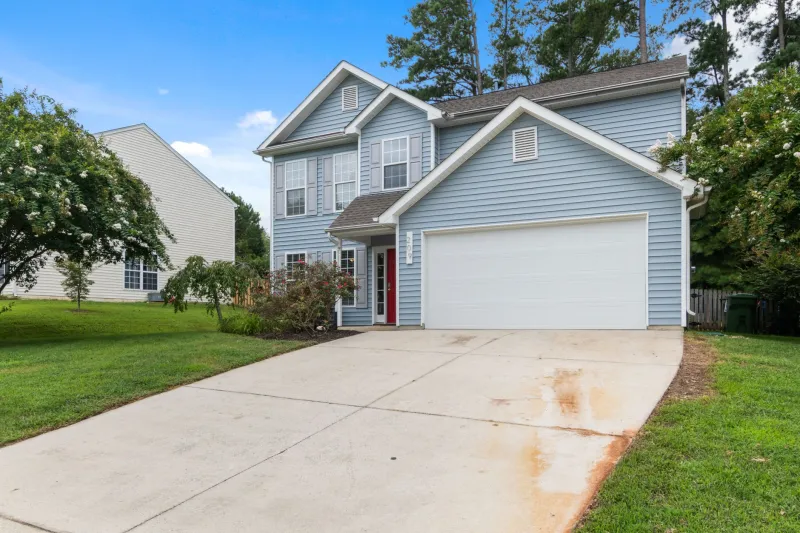
Drive through certain pockets of suburban New Jersey, the Dallas–Fort Worth sprawl, the South Bay area of California, or the outer rings of Atlanta, and you'll notice something. The houses are large. The driveways are full. And if you look at the names on the mailboxes long enough, a pattern starts to emerge. South Asian families — Indian, Pakistani, Sri Lankan, Bangladeshi — have become one of the most significant forces reshaping American suburban real estate markets, and they're doing it with a deliberateness that the housing industry is only beginning to fully reckon with.
This isn't a story about immigration statistics or demographic shifts, exactly. It's a story about what property means to a community that came to this country with specific memories of financial precarity and specific ideas about what security looks like. And it's a story about what happens when those ideas get passed down to a generation that didn't choose them.
From One House to a Portfolio
For the first wave of South Asian immigrants — the engineers, doctors, and academics who came over in the 1970s and 80s — buying a house was a milestone. It was proof that the gamble had paid off, that the sacrifice had landed somewhere solid. The house wasn't just shelter. It was a statement.
But for many families, it didn't stop at one house. As incomes grew and equity accumulated, real estate became a vehicle for wealth-building in a way that felt familiar and controllable in a way the stock market never quite did. You could see property. You could drive by it. You could rent it to a cousin or a family friend while they got settled. It made sense in a way that index funds didn't, especially for a generation that had watched currencies collapse and governments change overnight.
Now, two or three decades later, many of those early buyers are sitting on significant equity — and they have very clear ideas about what their children should do with it.
The New Status Ladder
For a long time, the desi community's status hierarchy was organized around profession. Doctor was the apex. Engineer was respectable. Lawyer was fine. Anything else required explanation. That hierarchy hasn't disappeared, but it's been joined — and in some communities quietly overtaken — by a parallel ladder organized around property.
How many units do you own? Did you buy in the right zip code before prices spiked? Is the house big enough for the parents to move in when the time comes? These are the questions that circulate at community gatherings, at temple, at the dinner parties where someone always ends up talking about what their neighbor's house just sold for.
Real estate has become a language of achievement that crosses professional lines. The software engineer and the small business owner can both win at property. That democratizing quality makes it appealing as a status currency — and it means the competition is wide open.
The Second-Gen Squeeze
Here's where it gets complicated. The children of those first-wave buyers — the ones who grew up in those suburban houses, who went to the good school districts those houses were purchased specifically to access — are now adults navigating one of the most brutal housing markets in American history.
And many of them are doing it with a very specific kind of family pressure attached.
For some, it's direct: parents who expect them to buy rather than rent, who see renting as throwing money away, who offer down payment help contingent on buying in a certain neighborhood or a certain type of property. For others it's subtler — the casual comparisons at family events, the way a cousin's new construction in Frisco, Texas becomes a reference point for everyone else's choices.
The second generation is also often expected to eventually inherit and manage family property, which means learning to navigate landlord responsibilities, property taxes, and tenant relationships alongside their own careers and lives. It's a form of wealth transfer that comes loaded with expectation and, sometimes, obligation.
The Community Effect
One of the more fascinating dynamics in desi real estate is the clustering effect — the way South Asian families tend to buy near other South Asian families, creating micro-communities within suburbs that then develop their own gravitational pull. A good Indian grocery store shows up. Then a temple or a mosque. Then a tutoring center. Then more families.
This clustering is rational. It's also self-reinforcing. And it creates a kind of internal real estate market where properties in certain neighborhoods are specifically sought after by desi buyers who want the community infrastructure that's already been built there. In some suburbs, this has driven up prices in ways that are pricing out newer immigrant families who are trying to replicate the same path their predecessors took.
There's a real irony in that — the community that built the neighborhood becoming the barrier to entry for the next wave of the same community.
What Gets Lost in the Calculation
None of this is without cost. Second-generation desis who don't want to buy — who want to rent in a city, or move around for work, or simply aren't ready for the financial commitment — often find themselves in an uncomfortable position. The choice to not buy can feel like a rejection of the family's value system, a refusal to take wealth-building seriously, an ingratitude for the foundation that was built.
Some describe feeling surveilled by the family's real estate ambitions in a way that echoes older pressures around career and marriage. The specific details are different, but the underlying dynamic — your individual choices as a reflection of collective family standing — is familiar.
And then there's the question of what this intense focus on property does to how communities relate to the places they live. When a neighborhood is primarily valued as an investment rather than a home, something shifts in how people engage with it — with neighbors who aren't part of the community, with local politics, with the broader civic fabric.
A New Chapter of the American Dream
South Asian Americans building wealth through real estate is, in many ways, a very American story. Property has been a path to security and status in this country for as long as the country has existed. The desi version of that story is just more recent, more compressed, and filtered through a specific set of cultural values about family obligation, collective achievement, and the weight of what it took to get here.
The question the next generation is quietly working through is how to honor that story without being owned by it. How to build on what was handed to them without treating the blueprint as a mandate. That negotiation is happening in real time, in suburbs across America — one house, one family conversation, one difficult decision at a time.