Aunty Jokes Go Global: The Stand-Up Boom That Proves Specific Is the New Universal
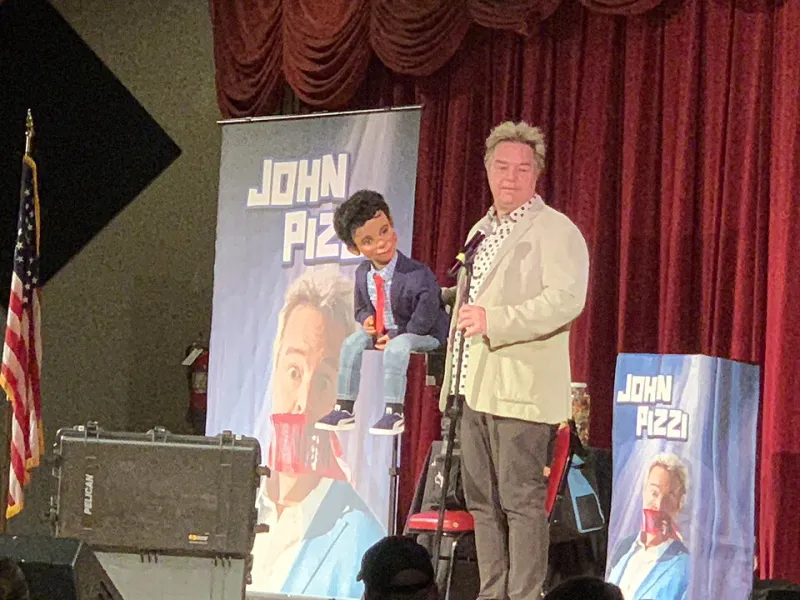
Photo: Jason Ingtonn, CC BY-SA 4.0, via Wikimedia Commons
Ten years ago, if a desi comedian told an aunty joke on an American stage, half the room laughed and the other half checked their phones. Today, that same joke is a Netflix thumbnail with global reach, and the comments section is full of people named Madison saying they texted their mom.
Something has shifted. Indian and diaspora stand-up comedy has gone from open-mic curiosity to a streaming category of its own, with Netflix, Amazon Prime Video, and a swarm of smaller platforms competing for comics who a decade ago were performing in the back of a Edison banquet hall. The question worth asking isn't just why now — it's what these specials reveal about how American audiences have learned to laugh at lives that aren't their own.
The Catalog Keeps Growing
Scroll the comedy tabs and the pattern is unmistakable. Diaspora comics like Zarna Garg turned the immigrant-mother monologue into a streaming career, landing specials and a network sitcom deal. Hasan Minhaj's storytelling format — part stand-up, part TED Talk, part therapy session — became the template an entire generation now imitates. On the India-based side, comics like Vir Das, Zakir Khan, and a wave of Hinglish performers have found their specials pushed to global homepages, often with subtitles doing quiet, heroic work.
The pipeline matters too. YouTube and Instagram clips now function as auditions. A two-minute bit about a strict desi dad can rack up millions of views from a phone in Mumbai, and suddenly a streaming executive in LA is scheduling a call. The gatekeepers didn't lower the gate so much as discover the crowd had already climbed over it.
Why the Jokes Translate
Here's the counterintuitive part: the more specific the material, the better it seems to travel. The best of these specials don't sand off the desi edges for American palatability. They lean in. The aunty who asks about your salary at a wedding. The father who expresses love exclusively through criticism of your driving. The arranged-marriage meeting that's basically a corporate merger with better food.
American audiences, it turns out, don't need the cultural references to find the humanity underneath. Everyone has a relative who weaponizes concern. Everyone has watched a parent fail to say 'I'm proud of you' in eleven different ways. The specificity isn't a barrier — it's the proof. When a comic describes her mother hiding ghee in the luggage, the joke isn't about ghee. It's about mothers, and every audience on earth has one of those.
There's also a sheer volume effect. Second-generation desi Americans are now old enough to be the ones buying comedy tickets, and they bring their non-desi friends. The audience built the market before the platforms noticed.
What Still Gets Lost
Not everything crosses. Hinglish wordplay dies a quiet death in subtitles. Caste satire, regional political humor, and jokes that depend on the sound of a specific dialect often land as polite chuckles in Peoria. Some diaspora comics admit the pressure to 'explain' their material in real time — a beat of context inserted mid-bit — which is its own kind of tax that white comedians never pay.
And there's a homogenization risk. When the same three tropes (strict dad, wedding pressure, accent bits) dominate the American-facing specials, the comedy risks becoming its own stereotype factory. The most interesting comics working right now are the ones who refuse to translate at all — trusting that confusion, held for a beat, is just another setup.
The Bigger Picture
The desi comedy boom is really a story about who gets to be a default character in American entertainment. For decades, South Asian performers were the taxi driver, the IT guy, the punchline. Now they're the narrator. They're the one deciding what's funny and, more importantly, what's worth being serious about for exactly four seconds before the punchline.
That's the quiet revolution in these specials: not that America is laughing at desi life, but that it's laughing with a perspective it finally treats as central rather than decorative. The aunty jokes went global. The aunties never left the jokes. And honestly, they'd probably tell you they saw this coming all along — right after asking why you're still not married.